























































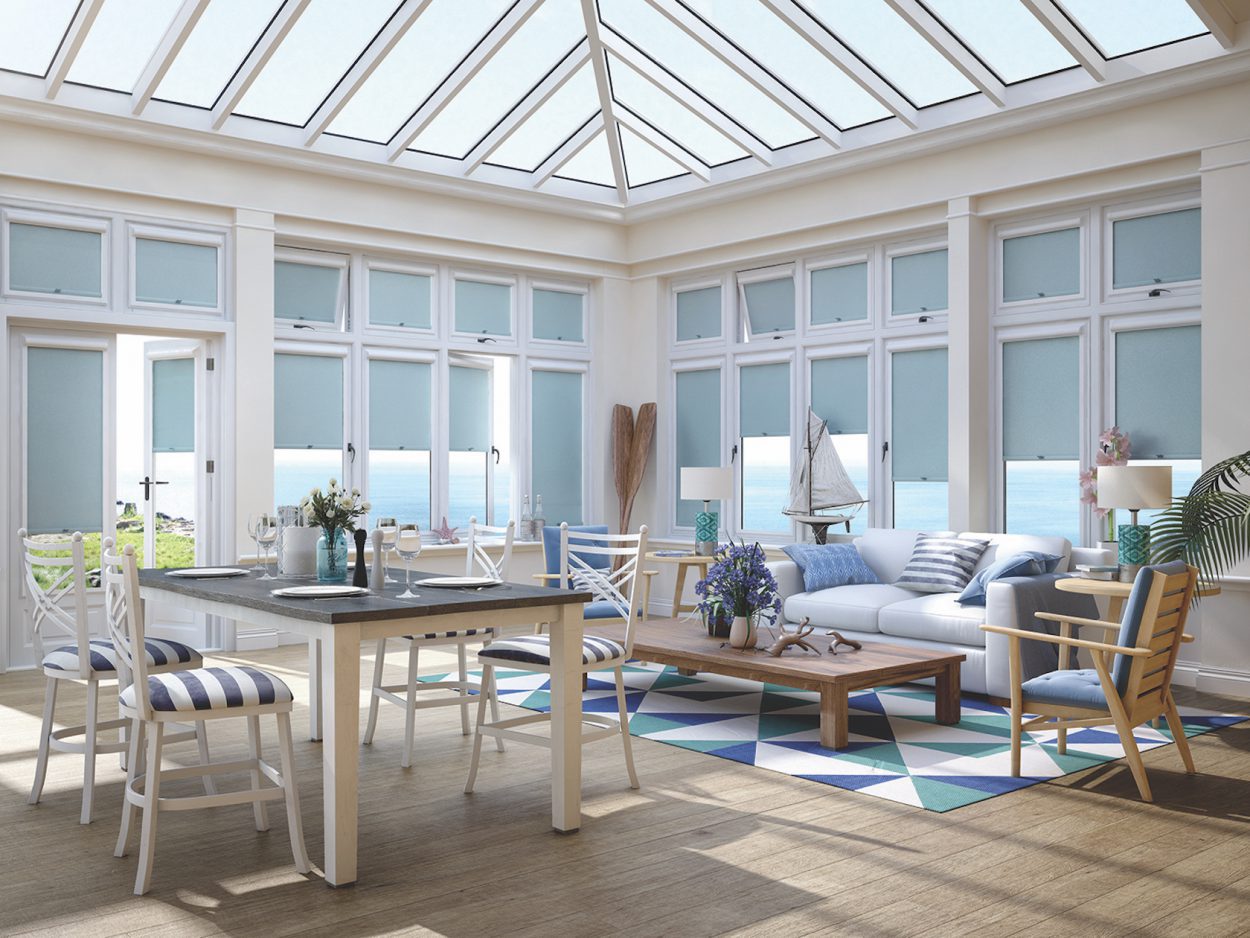
Conservatory blind fabrics for winter
During the colder months, rooms with extensive glazing can quickly lose warmth. While they’re designed to flood your home with light, winter often exposes their weaknesses — chilly mornings, draughty evenings, and spaces that feel more like a greenhouse than a living area.
The right blind fabrics can make a dramatic difference, helping you retain heat, control light, and enjoy the room all year round. Whether you’re preparing your conservatory for the first cold snap of the season or looking to make a long-term improvement to comfort, fabric choice is one of the most important decisions you’ll make.
If you’re also thinking ahead to the warmer months, it’s worth reading our guide on the best conservatory blinds for summer, many of the fabrics and blind types that perform well in winter also offer excellent heat management in summer, making them a genuinely year-round investment.
Why These Spaces Feel Colder in Winter
Glass is a poor insulator compared to brick walls. In roof-glazed rooms or garden-facing extensions, heat escapes rapidly once the temperature drops outside. A single pane of glass can lose heat up to ten times faster than a well-insulated wall, and even modern double glazing still transmits cold significantly more than solid construction.
Add shorter daylight hours and low winter sun that sits at a difficult angle for much of the day, and the space can feel uncomfortable for long periods. Without the right window treatments, you may find yourself closing off the room entirely during winter, which defeats the purpose of having it.
Thoughtfully chosen blinds act as a thermal barrier between the cold glass and the warm air inside your home, reducing heat loss without compromising on style or light.
Thermal Fabrics: What to Look For
When choosing blinds for a glazed extension, fabric choice matters just as much as fit.
Key features to prioritise:
- Thermal linings to help trap warm air
- Honeycomb or cellular structures that create insulating pockets
- Thicker woven materials that reduce draughts
- Reflective backing to limit heat transfer through glass
The tighter the fit within the frame, the better the performance. Any gaps around the edges will allow warm air to escape and cold air to creep in, so a made-to-measure fit is always preferable over an off-the-shelf alternative.
Best Blind Styles for Winter Performance
Pleated Blinds
Ideal for sloped or roof glazing, pleated blinds sit neatly within frames and create a discreet insulating layer. Their structured, accordion-style design means they fold away cleanly when not needed but provide excellent coverage when closed. They are one of the most effective choices for conservatory roofs and awkward angles where other blind types can’t be fitted.
Cellular Blinds
Cellular or honeycomb blinds take the pleated concept a step further, with a double-layered construction that traps air in individual pockets. This significantly improves energy efficiency and makes them the highest-performing thermal option for glass rooms. They work particularly well in rooms with large roof panels or floor-to-ceiling windows where heat loss is most significant.
Roller Blinds with Thermal Backing
A clean, contemporary option that offers excellent insulation when fitted correctly. Thermal-backed roller blinds use a reflective coating on the reverse side to push heat back into the room rather than allowing it to pass through the glass. They are a popular choice for side windows in modern extensions and garden rooms.
Roman Blinds
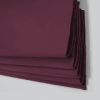
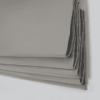
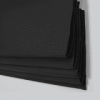
Perfect for side windows, Roman blinds add softness and an extra layer of warmth to seating areas. A lined or interlined Roman blind has considerably more insulating mass than a simple roller or vertical, making them particularly effective in rooms where you spend long periods seated, reading, watching television, or working from home.

Managing Light Without Losing Heat
Winter sunlight is valuable – both for warmth and wellbeing. Adjustable blinds allow you to make the most of daylight while keeping the chill at bay once the sun drops. Motorised or roof-mounted options are particularly useful for hard to reach glazing.
Winter sunlight is valuable, both for warmth and for wellbeing during the shorter days. The challenge is making the most of available daylight while keeping the chill at bay once the sun drops in the afternoon.
Adjustable blinds give you that control. A tilted pleated blind or a part-opened roller can admit low winter sun while still reducing draughts around the frame. Motorised or roof-mounted options are particularly useful for hard-to-reach glazing, allowing you to adjust coverage throughout the day without having to climb up to reach blinds in a vaulted or sloped roof.
For a full overview of how different blind types and styles affect your conservatory’s comfort across the seasons, take a look at our ultimate guide to conservatory blinds.
Making the Space Usable All Year
With the right combination of fabrics and fitting, a glazed conservatory or garden room can feel just as comfortable in January as it does in July. Blinds aren’t just a decorative finish, they’re a practical upgrade that improves comfort, reduces energy loss, and protects your furniture from temperature extremes at both ends of the year.
It’s also worth remembering the broader benefits that conservatory blinds provide beyond temperature control, UV protection for flooring and furniture, glare reduction, and privacy, all of which apply as much in winter as in summer.
And if you’re thinking about spring, once the colder months pass, simple updates like fabric choice and colour can completely transform the feel of the space. Our guide on transforming your conservatory for spring has some great ideas for making the transition.
How Much Energy Can You Save?
Installing energy-efficient conservatory blinds isn’t just about comfort, it can also reduce your heating costs. While results vary depending on your home, studies have shown that well-fitted thermal blinds can reduce heat loss by up to 40%.*
The energy savings come from a combination of factors:
- Less reliance on central heating to maintain a comfortable temperature
- Improved U-values in glass areas when blinds are correctly fitted
- Better climate control without additional energy usage
Over a full winter season, the savings can meaningfully offset the cost of investment, particularly in larger glazed spaces where heating bills tend to spike.
*This is an estimate based on average savings and cannot be guaranteed.
Tips for Maximising Warmth in Winter
To get the best performance out of your blinds for winter, consider these quick tips:
- Close blinds before sunset to trap daytime warmth
- Layer blinds with curtains for added insulation
- Check fit and coverage to ensure there are no gaps
- Keep blinds clean so reflective layers work effectively
If you’re unsure which blind type and fabric combination is right for your conservatory, our team can visit and assess the space. It’s much easier to get the recommendation right first time than to discover mid-winter that your blinds aren’t performing as expected. Take a look at our guide on choosing the right conservatory blinds or call us today on 01202 679012 to speak with one of our specialists.
Are you interested in transforming your conservatory into an area that can be enjoyed even in the winter? Contact our conservatory blinds specialists today to discuss your requirements on 01202 679012.
*This is an estimate based on an average saving and cannot be guaranteed.